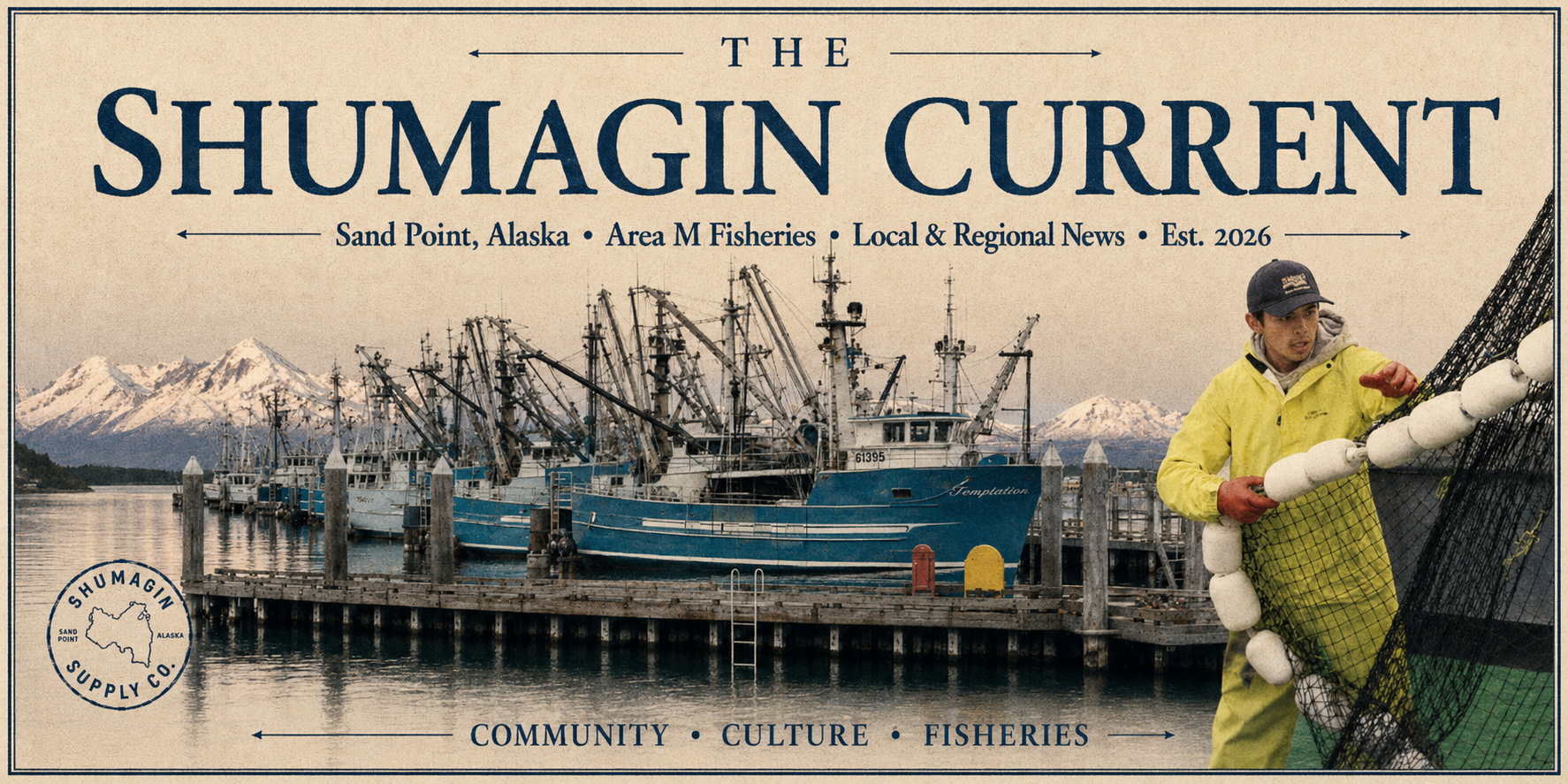
Alaska's wealth has always come out of rural places. Fish out of the Bering Sea, the Gulf of Alaska, the Yukon and Kuskokwim. Oil from the North Slope. Minerals from the Interior and Southwest. Timber and tourism out of communities most people in the Lower 48 will never see.
Then the revenue from all of that goes to Juneau, and gets argued over, and only a fraction ever finds its way back to the communities that carry the cost of producing it.
That structure is not sustainable. It is also not fair.
Alaska should establish a dedicated rural resource-return fund — a permanent, transparent mechanism that sends a meaningful share of resource revenue back to high-cost communities affected by fisheries, shipping, extraction, and seasonal industries.
What a real resource-return fund looks like
- A clear statutory formula — not an annual political fight — that allocates a defined percentage of qualifying State resource revenue to a dedicated rural fund.
- Eligibility based on objective factors: cost of living, distance from the road system, exposure to fisheries and shipping, and population served.
- Direct community use for harbors, airports, EMS, water and sewer, housing, schools, broadband, and other infrastructure that fails under high cost and harsh conditions.
- Public dashboards showing exactly how much each community received, what it was spent on, and what was built.
- A community-ownership requirement: projects funded by the rural return fund are owned, maintained, and operated by the communities themselves wherever possible.
This is not a request for a handout. Rural Alaska already pays — in higher fuel, freight, food, and energy costs, in lost workforce when young families leave, and in the wear and tear that comes from supporting industries the rest of the state depends on.
A rural resource-return fund recognizes a simple fact: when the State profits from a place, that place should be more livable, not less, ten years later.
A harbor that lasts forty years instead of twenty. A clinic that can keep its lights on. A water system that does not fail every winter. A school roof that holds. An airport runway that meets modern standards. Broadband that lets a kid take an online class without driving to the library.
That is what a fair return looks like.
Alaska does not need to invent this from scratch. Other resource-producing regions around the world already do it. The State should commission the legal and fiscal work to design a version that fits Alaska — and then commit to it long enough for communities to actually plan around it.
The wealth came from here. A meaningful share of it should come home.